
Back
Present
Facts for Kids
Maia is a minor goddess in Greek mythology, known as one of the Pleiades and the mother of Hermes, symbolizing growth and fertility.

Explore the internet with AstroSafe
Search safely, manage screen time, and remove ads and inappropriate content with the AstroSafe Browser.
Download

Become a Creator with DIY.org
A safe online space featuring over 5,000 challenges to create, explore and learn in.
Learn more
Overview
Maia is one of the Greek gods, known as a goddess of spring and growth 🌱. She is one of the Pleiades, seven beautiful sisters in Greek mythology. Maia is the daughter of Atlas, who holds up the sky 🌌, and Pleione, a sea nymph. She is famous for being the mother of Hermes, the speedy messenger god. Maia is celebrated for bringing warmth and new life to Earth 🌼, making her very important in ancient stories of nature and rebirth. Ever wonder where flowers get their colors? Maia is thought to help them grow!
Read Less
Diet and Feeding
As a goddess of spring, Maia is often associated with flowers, fruits, and plants 🌷. She nurtures them as they grow, and because of her, they bloom and provide food for both animals and humans. Did you know that Maia helps bring about fresh fruits in spring, like strawberries and cherries? 🍓
She loves to watch them grow in the garden, and traditionally, people would have feasts with delicious fruits during her celebrations. 🍏
Maia’s blessings provide energy and sustenance to everyone who enjoys the gifts of nature!
She loves to watch them grow in the garden, and traditionally, people would have feasts with delicious fruits during her celebrations. 🍏
Maia’s blessings provide energy and sustenance to everyone who enjoys the gifts of nature!
Read Less
Interesting Facts
Did you know that Maia is one of the seven Pleiades sisters? 🌌
The stars can still be seen in the night sky! Maia is the eldest sister, and people love telling tales about her gentle nature. She was the mother of Hermes, who wore winged sandals and delivered messages in the blink of an eye! 🕊
️ In some stories, Maia protects flowers, and her name means "nurse" or "mother." This ties to her caring nature! 🌼
Maia's legacy continues every spring as we see flowers bloom, reminding us of her love and kindness! 🌷
The stars can still be seen in the night sky! Maia is the eldest sister, and people love telling tales about her gentle nature. She was the mother of Hermes, who wore winged sandals and delivered messages in the blink of an eye! 🕊
️ In some stories, Maia protects flowers, and her name means "nurse" or "mother." This ties to her caring nature! 🌼
Maia's legacy continues every spring as we see flowers bloom, reminding us of her love and kindness! 🌷
Read Less
History and Origin
In ancient Greece, Maia was loved by the people! 🌍
She is mentioned in Homer’s “Iliad” and is a part of many myths. The Pleiades sisters were often connected to the stars and were visible in the sky, especially in springtime 🌟. Maia's myth tells us about how she was a peaceful goddess who lived alone in a cave. The Greeks named the month of May after her, celebrating the beauty of spring and flowers blooming. 🌷
People would honor her with festivals to thank her for the gifts of nature she provided.
She is mentioned in Homer’s “Iliad” and is a part of many myths. The Pleiades sisters were often connected to the stars and were visible in the sky, especially in springtime 🌟. Maia's myth tells us about how she was a peaceful goddess who lived alone in a cave. The Greeks named the month of May after her, celebrating the beauty of spring and flowers blooming. 🌷
People would honor her with festivals to thank her for the gifts of nature she provided.
Read Less
Conservation Status
While Maia is a mythological figure, she teaches us about the importance of taking care of nature 🌳! The Greeks believed in protecting their beautiful environment because they felt it was a gift from the gods. Today, Maia reminds us why we must save our plants and animals. Many endangered species need our help, just like the flowers that bloom every spring. 🌼
We should plant trees, recycle, and love nature, so Maia’s spirit can always shine brightly! By conserving the environment, we honor her legacy!
We should plant trees, recycle, and love nature, so Maia’s spirit can always shine brightly! By conserving the environment, we honor her legacy!
Read Less
Cultural Significance
In ancient Greece, Maia represented springtime and renewal, making her loved by all 🌼. Festivals were held in her honor to celebrate nature coming back to life with the warmth of the sun! 🌞
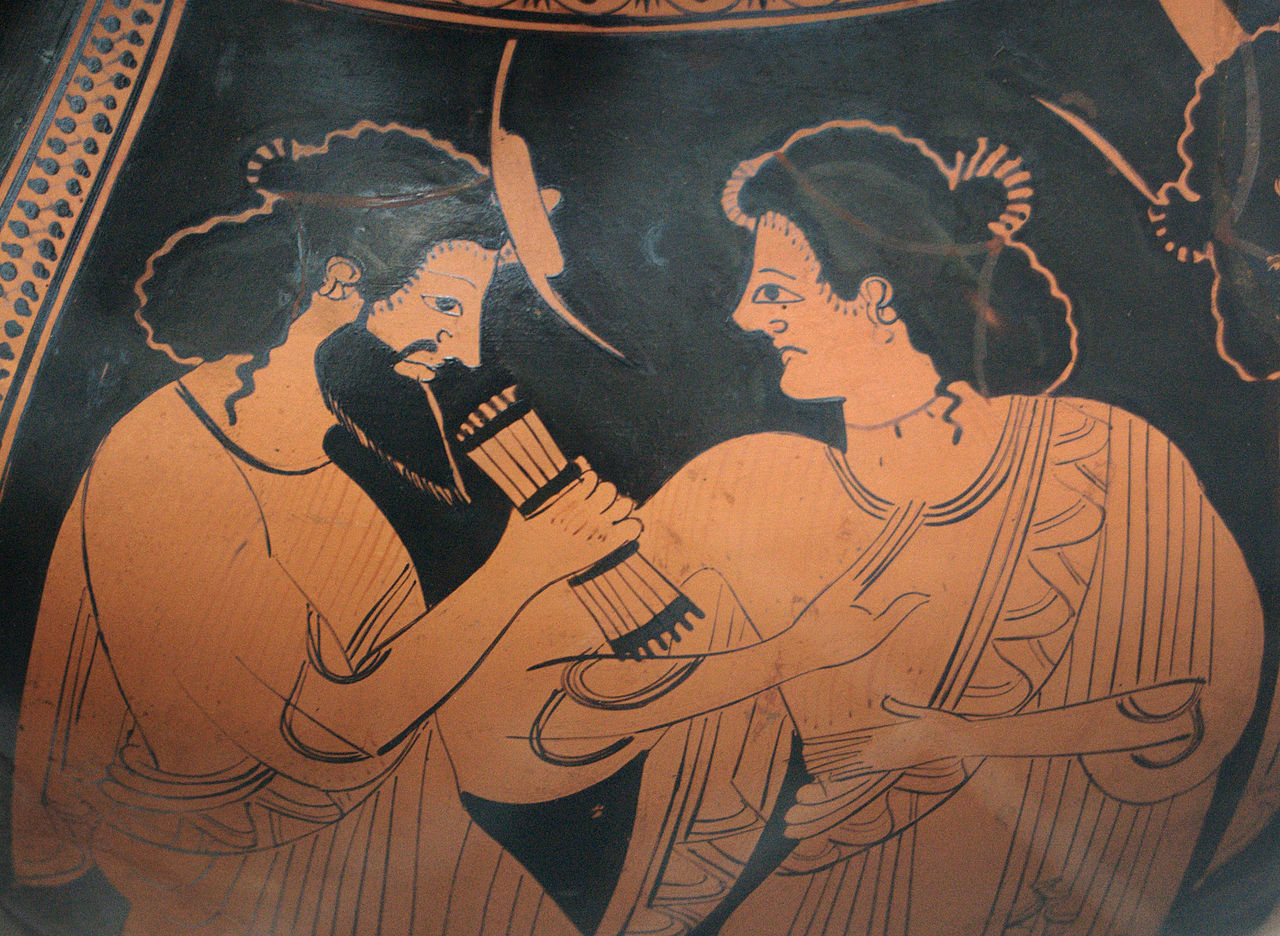
She was often depicted in art and poetry, symbolizing beauty and growth. People not only honored her but also learned about farming and gardening through her stories. Today, Maia influences festivals in many cultures celebrating spring and nature. This includes planting flowers 🌸 or having parades to celebrate the beauty of the earth, reminding everyone to appreciate our planet!
She was often depicted in art and poetry, symbolizing beauty and growth. People not only honored her but also learned about farming and gardening through her stories. Today, Maia influences festivals in many cultures celebrating spring and nature. This includes planting flowers 🌸 or having parades to celebrate the beauty of the earth, reminding everyone to appreciate our planet!
Read Less
Habitat and Distribution
Maia loved to live in a cozy cave on Mount Cyllene, located in Greece 🏔️. This mountain is special because it is home to many Greek myths and magic. Maia is known to bring the warmth of spring to different places whenever she comes out of her cave! 🌿
The ancient Greeks planted gardens to honor Maia, celebrating her presence in their lives. They believed she spread beauty across the land from flowers to trees, showing her love for nature everywhere, especially in the Mediterranean region!
The ancient Greeks planted gardens to honor Maia, celebrating her presence in their lives. They believed she spread beauty across the land from flowers to trees, showing her love for nature everywhere, especially in the Mediterranean region!
Read Less
Physical Characteristics
In stories, Maia is described as very beautiful, much like her sister Pleiades! 🌸
She is often depicted wearing a flowing dress made of the finest flowers and leaves 🌼. Maia's hair is like golden rays of sunlight, shining brightly with a warm glow. Sometimes she is shown holding a basket filled with fruits and flowers, symbolizing nature’s bounty 🍎. Though she is a goddess, Maia’s look is welcoming, making her feel like a friend of the earth! The images of her often show a gentle smile, representing kindness and warmth.
She is often depicted wearing a flowing dress made of the finest flowers and leaves 🌼. Maia's hair is like golden rays of sunlight, shining brightly with a warm glow. Sometimes she is shown holding a basket filled with fruits and flowers, symbolizing nature’s bounty 🍎. Though she is a goddess, Maia’s look is welcoming, making her feel like a friend of the earth! The images of her often show a gentle smile, representing kindness and warmth.
Read Less
Behavior and Social Structure
Maia is known for being nurturing and caring toward her son, Hermes, who is a fantastic messenger! ✉
️ In myths, she lives happily and quietly, keeping to herself, but she is also seen helping humans and nature. Maia and her sisters, the Pleiades, would sometimes come together to do fun activities like dance and sing. 🎶
They were considered a part of nature’s harmony. Maia also taught Hermes how to speed up and help others, showing her good and loving side as a mother! Together, they represent the bond between family and nature.
️ In myths, she lives happily and quietly, keeping to herself, but she is also seen helping humans and nature. Maia and her sisters, the Pleiades, would sometimes come together to do fun activities like dance and sing. 🎶
They were considered a part of nature’s harmony. Maia also taught Hermes how to speed up and help others, showing her good and loving side as a mother! Together, they represent the bond between family and nature.
Read Less
Try your luck with the Maia Quiz.
Try this Maia quiz and see how many you score!
Q1
Question 1 of 10
Next
Explore More